


Floodwater can turn a safe home into a serious problem in just a short time. Water may look easy to clean, but it can hide under floors, inside walls, and behind cabinets. If it stays there, it can damage your home and lead to mould.
Knowing when to seek professional flood damage repairs and services is important. Acting quickly, ideally with response, may help limit additional damage and make the cleanup process safer.
- Standing Water Won’t Go Away
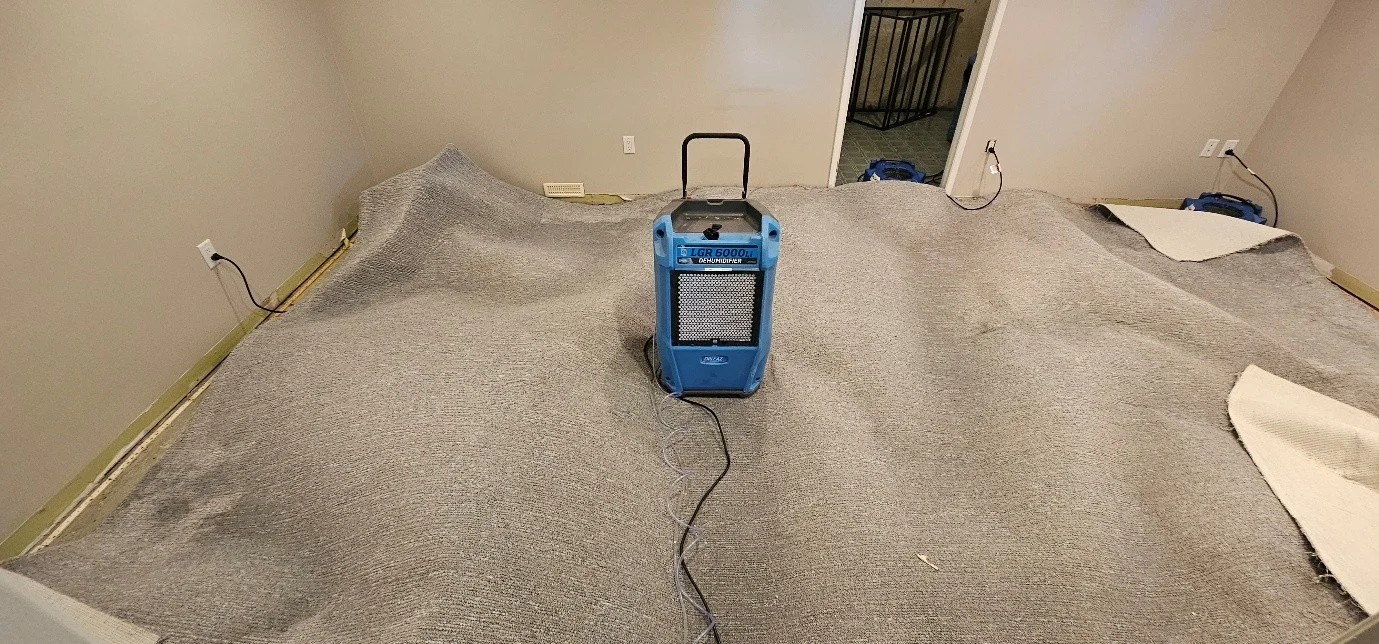
Seeing water on your floor after a flood is an obvious warning sign. If you cannot remove all the water, it is time to get professional help. Water can soak into carpets, furniture, floors, walls, and other materials. A mop, bucket, or home fan may remove water that you can see, but moisture can stay hidden underneath surfaces.Professional teams use commercial-grade water extraction and drying equipment, including air movers and dehumidifiers, to remove water and dry the affected areas more fully. Technicians trained to IICRC standards also know how to check for moisture that isn’t visible on the surface. The faster the water is removed, the better. Long-lasting moisture can cause more damage and create a good place for mould to grow.
- You Notice a Musty Smell or Mould
Does your home smell damp or musty after a flood? Do you see strange spots on your walls or floors?These can be signs of hidden moisture or mould. Mould likes wet places. It can grow on drywall, carpets, furniture, and other damp materials. You may not always see it because it can grow behind walls or under floors.A simple cleaning may not solve the problem if moisture is still present. A restoration team can use moisture-detection equipment to locate wet areas, dry affected materials, and address mould when necessary.
If you see mould or notice a strong musty smell, do not ignore it. Finding the source of the moisture is an important part of fixing the problem.
- Your Floors, Walls, or Ceilings Look Different
Floodwater can change the way parts of your home look and feel. Some damage may be easy to see, while other problems can grow slowly.Watch for signs such as:
- Swollen or bent flooring
- Warped wood
- Soft drywall
- Bubbling paint
- New stains on walls or ceilings
- Sagging ceilings
- Cracks or damaged surfaces
These signs can mean that water has moved deeper into your home. A professional inspection can help find the real problem. The team can then decide which materials can be dried and saved and which ones may need to be replaced.
- The Floodwater Came From a Sewer Backup
Not all floodwater is the same. Water from a clean pipe is very different from water that comes from a sewer. Sewer water can contain germs, bacteria, and other harmful substances. It can make people and pets sick if they come into contact with it.That is why sewer backup cleanup should be handled by trained professionals. They have the right safety gear and equipment to remove dirty water and clean affected areas. Professional restoration teams can remove the water, clean contaminated surfaces, dry the area, and use suitable disinfectants.If your flood involves sewage or dirty wastewater, do not try to clean everything yourself. Stay away from the affected area when possible and seek professional help.
- You’re Not Sure How Much Damage There Is
Sometimes, the biggest warning sign is simply not knowing what happened underneath the surface. You may see a small wet area on the floor, but water could have traveled much farther. It may have reached walls, insulation, cabinets, subfloors, or other hidden spaces.
A home can look dry while moisture is still trapped inside. This is exactly what professional flood damage repairs and services are built for, using moisture detection tools to find these hidden wet areas. Restoration experts can then check the damage, remove standing water, dry the property, and help plan the next repair steps.Getting help early can also prevent a small problem from becoming a much bigger and more expensive one.
What Should You Do After Flood Damage?
First, think about safety. Do not enter an area if there may be electrical dangers, unsafe structures, or dirty floodwater. If it is safe, try to stop the source of the water when possible. Remove small amounts of visible water only if you can do so safely.
Take pictures of the damage for your records and contact your insurance company if needed. Then, consider calling a professional restoration team. They can check the property and explain what needs to happen next.
The objective is to confirm that affected areas are clean, thoroughly dried, safe, and ready for repair. The goal is to make sure it is clean, dry, safe, and ready for repairs.
When to Call for Flood Damage Repairs and Services
You should consider professional help when water remains in your home, you notice mould or a musty smell, walls or floors change shape, sewage is involved, or you cannot tell how far the water has spread.
The right flood damage repairs and services can remove water, dry hidden areas, reduce further damage, and restore your property. Getting help early may save time, protect important parts of your home, and make recovery less stressful. If you need support, we are here to help you take the next safe step.
Need Help With Flood Damage?
Flood damage can be much bigger than what you see. Wet floors, musty smells, mould, damaged walls, sewer water, and hidden moisture are all signs that you may need expert help. Acting quickly can help protect your home and prevent more serious problems.
If you need flood damage repairs and services, our team is available 24/7 to help you understand the damage and plan the right restoration steps. At Skyward Restoration Inc., our IICRC-trained technicians use professional moisture detection, water extraction, and drying equipment to help property owners move toward a safe, clean, and comfortable home again.
Frequently Asked Questions
Q1 – How soon should flood damage be cleaned?
Ans – You should deal with flood damage as soon as it is safe. Water that stays for too long can damage materials and create conditions where mould can grow.
Q2 – Can I clean up flood damage myself?
Ans – Restoration professionals use moisture-detection equipment to locate hidden wet areas, assess the damage, remove standing water, and plan the required drying and repairs.
Q3 – Do wet floors and walls always need to be replaced?
Ans – No. Some materials can be cleaned and dried. Others may be too badly damaged. A professional can check the condition and help decide what should be repaired or replaced.
Q4 – How can I find hidden water after a flood?
Ans – Look for damp spots, bad smells, stains, soft walls, swollen floors, or bubbling paint. At Skyward Restoration, we also use professional moisture detection equipment to find water that isn’t visible to the eye.
Q5 – Can a restoration company help with insurance?
Ans – Skyward Restoration can document the damage, explain the restoration findings, and provide project information to you and your insurer. Coverage and payment decisions are made by the insurance provider.