

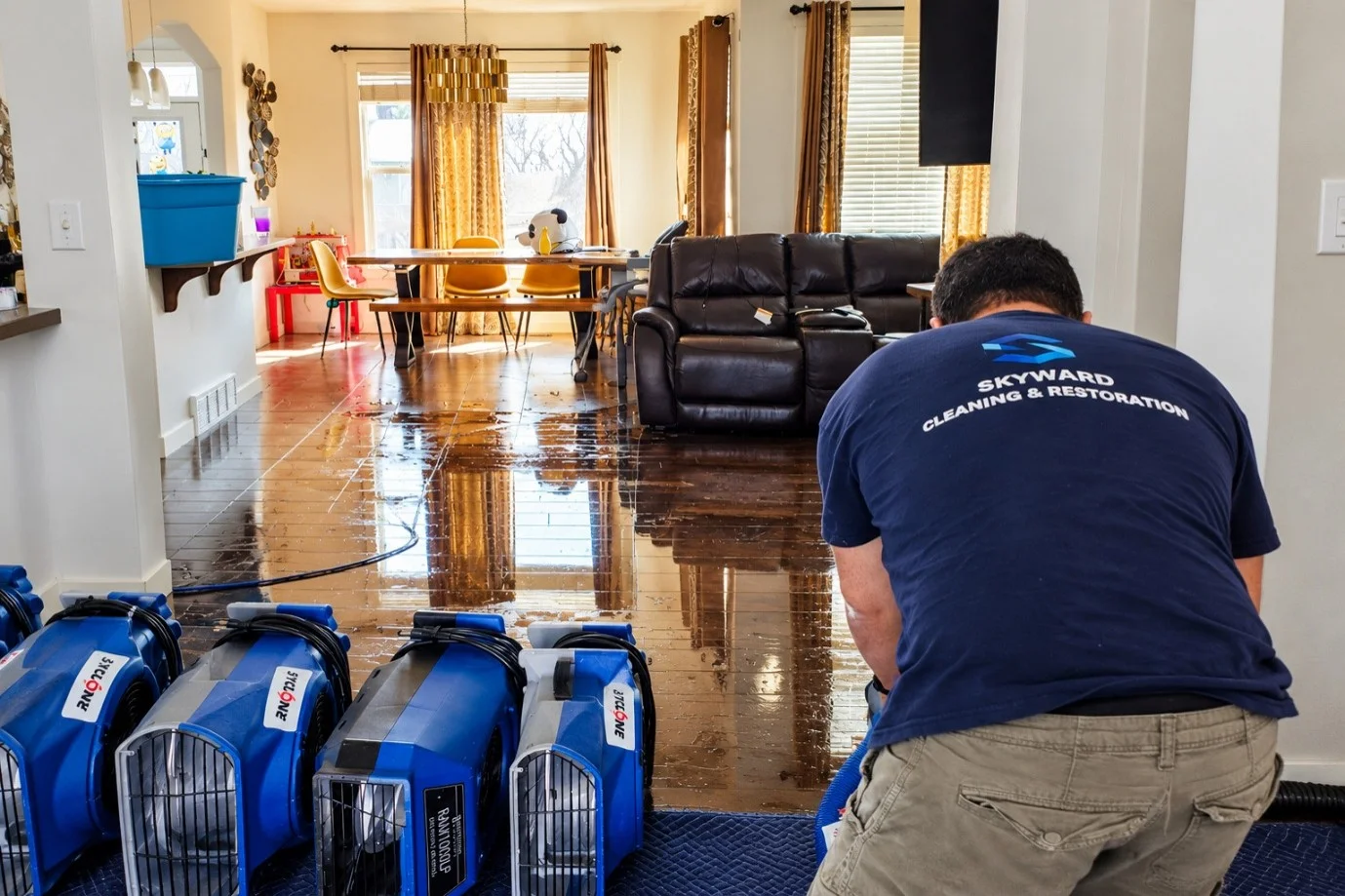

The water may be gone, but the real damage could still be hiding. A flooded home can look better once standing water is removed, but that does not always mean the problem is over. Water can move into floors, walls, carpets, insulation, and other hidden areas.
If these spaces stay damp, they can lead to mould, odours, and structural damage. This is why fast action matters. Understanding flood restoration in Calgary can help homeowners make better decisions, protect their property, and avoid small water problems turning into costly repairs.
Flood Damage Is More Than Standing Water
One of the biggest things homeowners may not realize is that flood damage can continue after the visible water disappears.
Water can soak into materials such as:
- Carpets and padding
- Drywall and insulation
- Wooden floors
- Furniture
- Walls and ceilings
- Electrical components
Some of these areas may look dry on the outside while still holding moisture underneath.
IICRC-trained technicians use moisture-detection tools and professional drying equipment to locate hidden moisture and monitor drying. This helps reduce the chance of further damage.
The First 24 to 48 Hours Matter
Time is one of the most important factors after water damage. Health Canada advises that homes and furnishings are less likely to develop mould if they are dried within 48 hours. Actual drying conditions vary depending on temperature, humidity, the materials affected and the extent of the water intrusion. Damp materials can also develop musty odours and become harder to restore if they remain wet.
This does not mean every flood will cause mould in exactly the same amount of time. The speed of drying depends on factors such as temperature, humidity, the type of materials affected, and how much water entered the property.
The key lesson is simple: do not wait for visible mould before taking action.
Not All Flood Water Is the Same
Another important fact is that not all water damage has the same level of risk. Water can come from different sources. A clean water leak from a supply line is different from water that comes from a sewer backup or outside flooding.
Restoration professionals commonly classify water based on its level of contamination. Heavily contaminated water may contain bacteria and other harmful materials and requires special safety procedures.
This is why homeowners should avoid touching contaminated water or attempting major cleanup without knowing what they are dealing with.
Drying Is More Important Than It Looks
Removing standing water is only the beginning. A proper restoration process also focuses on drying the affected property. Professional water extraction and drying equipment, including air movers and dehumidifiers, can help reduce moisture and humidity in the affected areas, applied in line with IICRC drying standards. These machines are designed to dry materials more effectively than ordinary household fans.
Drying may also require removing certain wet materials so that moisture trapped underneath can be reached. The goal is not simply to make the floor feel dry. The goal is to make sure affected areas have reached appropriate moisture levels.
Some Belongings May Be Saved
Depending on the contamination level and extent of damage, some furniture, documents, artwork, and personal belongings may be cleaned or restored. Electrical equipment and appliances should be evaluated by qualified technicians before reuse.
A professional assessment can help determine what may be salvageable and what should be replaced. Skyward Restoration also provides contents restoration services for belongings affected by water, fire, smoke, or mould.
Waiting Can Make Restoration Harder
Many homeowners wait because the damage seems small. For example, a little water on the floor may not look serious. However, water can travel underneath flooring, behind walls, and into other hidden spaces.
Delaying professional help can give moisture more time to affect building materials and create conditions that support mould growth. Fast action does not mean rushing into an unsafe situation.
If electricity may have been affected, avoid using electrical equipment in wet areas. If the water may be contaminated, stay away from it and seek professional assistance.
What Does Flood Restoration Actually Include?
Professional flood restoration in Calgary can involve several steps depending on the situation.
- Water Removal
Standing water is removed as quickly as possible, often through a 24/7 emergency response, using professional extraction equipment and pumps.
- Moisture Control
Technicians use professional moisture detection tools to identify wet areas, then apply equipment such as air movers and dehumidifiers to support proper drying, following IICRC standards.
- Cleaning
Affected surfaces and belongings may be cleaned and treated based on the type of water and damage.
- Inspection
Restoration teams may return to inspect the property and check whether affected areas are drying properly.
- Repairs and Restoration
Once the property is dry and cleaned, damaged materials may be repaired or replaced as needed. Larger projects may require rebuilding work.
Need Help With Flood Damage?
Flood damage does not always show its full impact right away. Moisture hidden behind walls, under floors, or inside materials can continue causing problems after the surface looks dry. That is why quick assessment, water removal, thorough drying, and proper cleaning are important steps after a flood.
If you need flood restoration in Calgary, our IICRC-trained technicians can help with 24/7 emergency restoration services, water extraction, drying, contents restoration, cleanup, insurance coordination, and rebuilding. Contact Skyward Restoration Inc. today to get professional help and take the next step toward restoring your property.
Frequently Asked Questions
- How quickly should I call a restoration company after flooding?
You should contact a restoration professional as soon as possible. Quick water removal and drying can help reduce the risk of additional damage.
- Can water damage cause mould?
Yes. Damp conditions can create an environment where mould can grow. Skyward Restoration notes that mould can begin growing within approximately 24 to 48 hours after water damage when conditions are suitable.
- Can wet carpets and furniture be saved?
Sometimes. The possibility of restoration depends on the type of material, how long it has been wet, the amount of damage, and the type of water involved.
- Should I use household fans to dry my flooded home?
Do not use household fans until electrical hazards and contamination have been assessed. For significant flooding, professionals may use commercial air movers, dehumidifiers, and moisture meters as part of a controlled drying plan.
- Does insurance cover flood restoration?
Coverage depends on the policy and cause of the water damage. Skyward Restoration can document the damage and provide restoration information to the property owner and insurer, but coverage decisions remain with the insurance provider.