

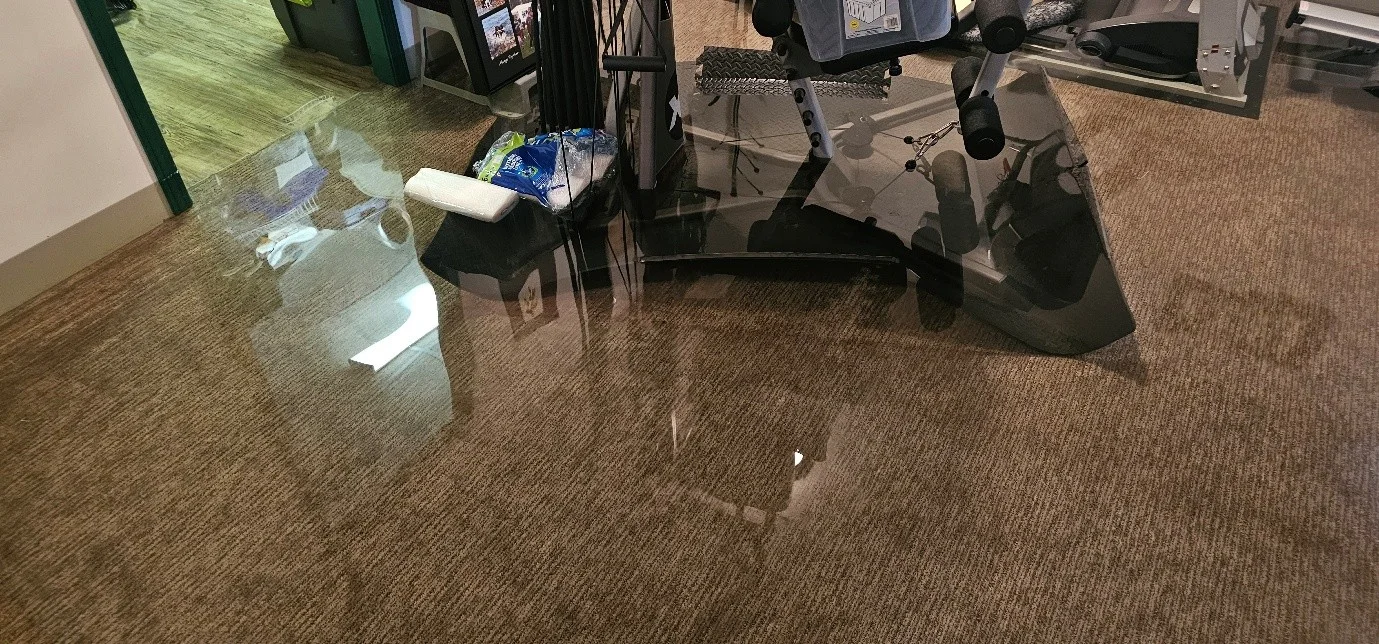

Even a small amount of water in a basement can indicate a larger problem. Basement water damage in Saskatoon may begin as a puddle but can point to moisture beneath flooring, behind walls, or near the foundation.
Water can damage building materials, create musty smells, and increase the risk of mould if it is not dealt with quickly. For homeowners, recognizing the early warning signs may help limit additional damage and repair costs. If you notice any of these signs, it may be time to take action and get professional help.
You Keep Finding Water on the Basement Floor
One of the clearest signs of basement water damage in Saskatoon is standing water or repeated puddles.
Water may enter through a foundation crack, leaking pipe, poor drainage, a sump pump problem, or heavy rain. Even a small amount of water should not be ignored if it keeps coming back.
Repeated water means there may be an ongoing source that needs to be found and fixed. Simply wiping the floor may make the problem look better for a short time, but it does not solve the cause.
If water is collecting quickly or covering a large area, avoid walking through it until you know the area is safe. Water can create electrical risks, especially if it reaches outlets or electrical equipment.
Your Basement Smells Musty
Can you smell something damp even when you cannot see water?
A musty smell can be an early warning sign of moisture. Water can hide behind drywall, underneath flooring, inside insulation, or in other hard-to-see spaces. When these areas stay damp, mould can develop. Mould may not always be visible at first, so a strange smell should not be dismissed.
If your basement smells damp after a leak or flood, look for other signs such as damp walls, wet carpets, stains, or peeling paint. Locating and removing hidden moisture may help reduce the risk of further damage and mould growth.
Walls, Floors, or Ceilings Are Changing
Water can affect many parts of your basement. Keep an eye out for changes such as:
- Bubbling or peeling paint
- Dark stains on walls
- Swollen flooring
- Warped wood
- Soft drywall
- Cracks around walls or floors
- Damp carpets
- Sagging ceiling materials
These signs can mean water has moved beyond the surface. For example, a wall may look fine from the outside while moisture is trapped behind it. Trying to cover stains with fresh paint will not remove the moisture. The source needs to be found first.
A professional inspection can help identify affected areas and determine whether materials can be dried, cleaned, repaired, or replaced.
Mould or Dark Spots Are Appearing
Mould is another important warning sign of water trouble. Mould can grow when moisture remains in a basement for too long. You may see black, green, white, or brown spots on walls, floors, carpets, or other materials. Sometimes, mould develops in hidden areas where you cannot easily see it.
Do not simply paint over mould or cover the affected area. The moisture problem must also be addressed. Professional restoration services can inspect affected areas, remove contaminated materials when needed, clean surfaces, and help control the moisture that caused the problem.
This is especially important after a major leak or flood, when moisture may have reached places that are difficult to dry.
Your Basement Feels More Humid Than Usual
A basement that suddenly feels warm, damp, or humid may have a moisture problem. You may notice condensation on windows, damp walls, or a sticky feeling in the air. These signs can happen even when there is no visible standing water.
High moisture levels can make it harder for your basement to dry naturally. They can also create conditions that support mould growth.
Professional drying equipment can help remove moisture from the air and from materials. Restoration teams may use air movers and dehumidifiers to help dry affected spaces more thoroughly.
Why Basement Water Damage Should Be Handled Quickly?
Water damage can become worse when it is left untreated. Water can soak into flooring, drywall, insulation, furniture, and other materials. Over time, these materials may become damaged or develop mould.
The source of the water also matters. A basement affected by clean water from a broken pipe is different from one affected by sewage or contaminated floodwater. Contaminated water can contain harmful germs and should be handled carefully by trained professionals.
Quick action can help limit the spread of water and make restoration easier.
What Should You Do If Your Basement Gets Wet?
Start with safety. If water is near electrical outlets, appliances, or electrical panels, do not enter the affected area until it is safe.
If possible, stop the source of the water without putting yourself at risk. Take photos and videos of the damage for your records and contact your insurance provider when appropriate.
For larger water problems, professional help can make a big difference. A restoration team can inspect the area, remove standing water, dry affected materials, and check for hidden moisture.
The goal is not only to remove visible water. It is to make sure the basement is properly dried and safe.
How Can You Help Prevent Future Basement Water Damage?
A few simple checks can help lower your risk:
- Keep gutters and downspouts clear.
- Make sure water drains away from your foundation.
- Check pipes and appliances for leaks.
- Watch for cracks around your foundation.
- Check that your sump pump works properly.
- Look for damp spots after heavy rain or snowmelt.
- Do not ignore musty smells or repeated puddles.
Regular checks can help you spot small problems before they become major repairs.
Get Help With Basement Water Damage in Saskatoon
If you notice repeated puddles, musty smells, mould, damaged materials, or unusual humidity, do not wait for the problem to grow. Basement water damage in Saskatoon can become more difficult to manage when moisture is left untreated.
We can inspect the affected area, remove standing water, dry wet materials, and help restore your property. At Skyward Restoration Inc., we provide water and flood damage restoration, emergency water extraction, mould remediation, and complete property restoration support for Saskatoon homeowners.
Frequently Asked Questions
What causes basement water damage?
Common causes include leaking pipes, foundation cracks, poor drainage, sump pump problems, heavy rain, snowmelt, and sewer backups.
Can a small basement leak cause serious damage?
Yes. Even a small leak can cause problems if moisture stays hidden inside walls, floors, or insulation for a long time.
How quickly can mould grow after water damage?
Mould can begin growing quickly when materials remain wet. That is why removing water and drying the affected area as soon as possible is important.
Should I clean basement water myself?
Small, clean-water spills may be manageable if the area is safe. Larger floods, sewage backups, hidden moisture, or mould problems are better handled by trained professionals.
Can water damage be hidden?
Yes. Water can move beneath flooring, behind drywall, and into insulation. A basement may look dry while moisture remains in hidden areas.